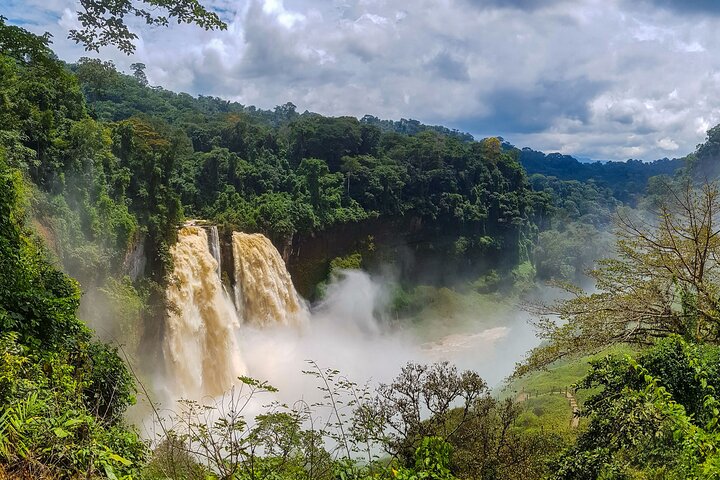
Things to Do in Cameroon
Rain forests hiss with primates. Douala nights smell of grilled plantain.
Top Things to Do in Cameroon
Find activities and tours you'll actually want to do. Book through our partners -- no booking fees.


Plan Your Trip
Essential guides for timing and budgeting
Climate Guide
Best times to visit based on weather and events
View guide →Day Trips
The best excursions and nearby destinations worth the journey
Explore day trips →Where to Stay
Best neighbourhoods, hotel picks, and booking tips
Find hotels →Travel Insurance
What's required, what coverage matters, and how to get a quote
Read guide →What to Pack
Climate-specific gear, essentials, and what to leave at home
See packing list →When Should You Visit Cameroon?
Tap a month for weather, crowds, and highlights
View full year-round climate guide →Your Guide to Cameroon
About Cameroon
The first thing climbing into your taxi from Douala International is the smell of grilled plantain and diesel, thick enough to taste. Cameroon does not ease you in. Its Atlantic coast starts at Limbe's black-sand beaches where waves throw salt spray over volcanic rock. The interior climbs through Bamenda's grassy highlands until Mount Cameroon's 4,040 m summit pushes above the clouds.
In Yaounde's Marché Central, women pound ndole leaves into glossy green sauce. 1,000 CFA ($1.65) buys a plate heavy enough for two. Down in Douala's Akwa district, the neon of Lebanese-run electronics shops flickers against 1930s German colonial facades. The same street corner hosts preachers, Rolex hawkers, and kids selling plastic sachets of palm wine for 200 CFA ($0.33).
The roads, potholed, red-dust ribbons, mean a 240 km ride from Yaounde to Bafoussam can stretch to six hours. The payoff is forest so dense at Campo Ma'an that gorillas crash through the canopy just above your head. Cameroon is not polished. It is alive, impatient, and worth every bruised kilometer.
Travel Tips
Transportation: Inter-city travel runs on bush taxis, shared Peugeot 504 estates that leave when full from gares routières like Douala's Ndokoti. Expect to pay 2,500 CFA ($4.15) for Yaounde, Douala and sit four across in heat that melts the seat vinyl. Domestic flights on Camair-Co skip the potholes. Douala, Maroua is 65,000 CFA ($108) and saves a brutal 18-hour road slog. In cities, orange-yellow taxis charge 500 CFA ($0.83) per seat. Negotiate before you board, the meter is decorative. Download the Yango app in Douala for ride-hails that undercut street cabs by 30%.
Money: CFA francs only. ATMs in Douala and Yaounde dispense 10,000 CFA notes that smaller vendors eye suspiciously. Break large bills at supermarkets like Casino or at Total stations. Credit cards work in upscale hotels. But roadside plantain stands and bush-taxi gares are cash-only. Old 10,000 CFA notes with torn corners get refused. Carry crisp bills. Street rate for dollars is rarely better than banks. Black-market changers outside Marché Congo will short-change the distracted.
Cultural Respect: Handshake rule: right hand only. Linger a second longer than feels natural, rushing it reads as rude. In Bamileke country around Bafoussam, greet elders first and lower your head slightly. They'll respond with a soft clap. Photography inside Marché Central gets aggressive fast. Ask first, pay 200 CFA ($0.33) if someone poses. Fridays in the Grand Mosque quarter of Foumban, the call to prayer rolls over the palace walls. Keep voices low and shoulders covered even if you're just passing through.
Food Safety: The safest street food is what you see cooked. Sizzling soya (beef skewers) at 100 CFA ($0.17) each in Yaounde's Mokolo market. Akara bean fritters fried fresh in palm oil. Skip pre-peeled fruit. Buy whole mangoes from ladies carrying basins on their heads and rinse with bottled water. Ndole stew served from bubbling pots at Chez Maman Grace in Bonapriso, Douala has never sent anyone home sick. Her 1,500 CFA ($2.50) plate draws office workers daily. Carry Imodium. But stick to busy stalls where locals queue. Turnover equals freshness.
When to Visit
Dry seasons split the country. November, February brings harmattan haze and 24°C (75°F) days to the north, good for Waza National Park's elephant herds. Coastal humidity in Douala lingers at 28°C (82°F) with sticky nights. March, May heats up to 34°C (93°F) inland and sees hotel prices climb 25% around Easter and school holidays.
June, September is equatorial rain. Torrential afternoon storms turn Yaounde's roads into red rivers and slash Douala hotel rates by 40%. Mountain regions around Bamenda stay cooler at 20°C (68°F). October is the wild card, brief showers, lower crowds, and 15% cheaper regional flights. Festival calendar: February's Ngondo water festival in Douala draws thousands to the Wouri riverbanks, pushing room rates up 50%.
May's Fête de la Culture in Yaounde packs the city with music stages and street food. But book hotels three weeks early. Families avoid March, April downpours when roads become mud traps. Budget travelers chase August's rains for half-price lodges near Kribi's beaches where the Lobe Falls still thunder into the Atlantic despite the gray skies.
More Ways to Experience Cameroon
Tours, day trips, and local experiences curated by on-the-ground operators.
Didn't see anything interesting yet?
Browse Viator's full catalog of tours, day trips, food experiences, and private guides in Cameroon.
See All Cameroon Tours on Viator