Things to Do in Cameroon in December
December weather, activities, events & insider tips
Shoulder Season · Good Value
December Weather in Cameroon
Long-run averages for December in Douala
83°F (28°C)
High Temp
67°F (19°C)
Low Temp
0.7 inches (18 mm)
Rainfall
83%
Humidity
9
Sunny-Day UV
⚠ The harmattan wind pushes Saharan dust south starting December, cutting visibility and air quality in northern regions around Garoua and Maroua. Asthma sufferers should pack medication and dust-filtering masks. Even Douala's coastal views can haze over.
⚠ Malaria transmission continues year-round, December dry season included. Wet season water keeps breeding mosquitoes into early dry months. Start antimalarial prophylaxis before arrival. Use DEET repellent and bed nets without fail.
Making the most of December in Cameroon? Browse tours and activities in Cameroon on GetYourGuide.
Is December Right for You?
Weigh the advantages and considerations before booking
Advantages
- + December ties with January as Cameroon's driest month. Douala sees just 18 mm (0.7 inches) of rain. Trails on Mount Cameroon firm up. The red laterite roads between towns stop swallowing tires. Kribi's beaches dry to hard-packed sand you can walk without sinking. This is the month the country opens up. Plan your outdoor time now.
- + Douala temperatures hold at 28°C (83°F) by day, dropping to 19°C (67°F) after dark. By Central African standards, this counts as comfortable. The harmattan wind pushes cooler, drier air from the Sahara into northern plateaus and western highlands around Bamenda and Dschang. Nights there dip below 15°C (59°F). Pack a sweater for Foumban.
- + December brings Cameroon's most intense social energy. Families converge from across the country and diaspora in the weeks before Christmas. Markets in Douala's Marché Central and Yaoundé's Mokolo overflow with smoked fish, palm oil by the jerrycan, and pungent dried crayfish that anchors Ndolé. Neighborhoods like Akwa and Bonapriso shift perceptibly. Louder music. Later nights. More soya vendors firing up charcoal grills by 5 PM.
- + Wildlife viewing peaks in southern and eastern reserves during dry season. Rivers shrink. Animals concentrate around remaining water sources. The canopy thins enough to spot primates at Méfou National Park without staring into green walls. Forest floors dry out. Trails that were knee-deep mud in September become passable.
Considerations
- − Security restrictions limit safe travel options. The Northwest and Southwest regions remain affected by the Anglophone crisis. The Far North near Nigerian and Chadian borders has ongoing security concerns. This removes Waza National Park, the Ring Road highlands circuit around Bamenda, and parts of the Mount Cameroon corridor from most itineraries. Check your government's travel advisories before booking. Plan routes through Littoral, Centre, West, and South regions. These are the safest zones for visitors.
- − The harmattan arrives in December. Cooler air comes with fine Saharan dust that settles everywhere. In northern cities like Garoua and Maroua, visibility drops and air feels gritty. Even Douala sees haze that occasionally smudges sharp coastal light. Respiratory sensitivities? This matters.
- − Holiday demand inflates domestic transport and accommodation costs. Bush taxis and intercity buses between Douala and Yaoundé fill days in advance as Cameroonians travel for Christmas. Hotels in Kribi book out entirely over Christmas and New Year. You compete with the entire country for seats and rooms. Not just other tourists.
Short on time in December? See day trips around Cameroon on GetYourGuide.
Best Activities in December
Top things to do during your visit
December arrives like a long exhale. The equatorial rains retreat. Rainfall drops to a mere 18 mm for the entire month, down from the deluge of October's 295 mm. The air loses that heavy, waterlogged weight. Daytime temperatures settle around 28°C, with nights cooling to a pleasant 19°C. This is one of the most physically comfortable windows for travel across the country. The red laterite roads firm up. Forest trails dry out. River crossings that were impassable in September become navigable again. For anyone asking whether Cameroon's weather cooperates with a year-end visit, December is as cooperative as it gets. The dry season reshapes daily life in ways that matter to travelers. In Yaoundé, the capital, the dusty haze of the Harmattan drifts south from the Sahel. The sky thins to a pale, washed-out blue. The equatorial sun softens just enough to make walking the city's hilly streets tolerable past midday. Street-food vendors shift their setups outdoors more confidently. The smoky char of grilled plantains carries farther. So does the sharp peppery scent of ndolé simmering in massive aluminum pots. Cameroon is often described as "Africa in miniature" for its ecological and cultural compression, volcanic peaks, coastal mangroves, dense equatorial forest, dry savanna. December is the month when the largest share of that geography becomes accessible without a 4x4 and a prayer. The food culture alone rewards a visit. Cameroon's kitchen draws from more than 250 ethnic traditions, producing dishes like eru (a slippery, intensely green stew of wild leaves), koki (steamed bean pudding wrapped in banana leaves with a dense, earthy texture), and the ubiquitous grilled fish seasoned with a ferocious chili paste that numbs the lips and opens the sinuses. Safety is a reasonable concern. The southwestern Anglophone regions and the Far North near the Nigerian and Chadian borders remain areas most governments advise against visiting. That guidance holds in December. But the central corridor, Yaoundé, Douala, the southern forests, and the coastal stretch around Kribi, operates with a functioning tourism infrastructure. December's dry conditions make overland travel between these zones significantly more predictable. Douala, the economic capital, sprawls along the Wouri estuary with a gritty, salt-tinged energy. Its waterfront restaurants serve whole barracuda roasted over charcoal and cold Castel beers. The beaches south of Kribi, where the Lobé Falls tumble directly into the Atlantic in a rare geological spectacle, are reachable on decent roads. Hotels across the major cities range from bare-bones guesthouses to internationally managed properties. December bookings climb as the diaspora returns for the holidays. Book accommodation early in Yaoundé. The returning-resident increase tightens supply across the city.

Visit the Ebogo site and Méfou Park from Yaoundé
otherThe Ebogo Ecotourism Site and Méfou National Park make for a full day. You pivot between two sharply different encounters with Cameroon's natural world. Ebogo sits along the Nyong River about an hour south of Yaoundé. You glide through channels of still, tea-dark water in a wooden pirogue. The canopy overhead is so dense the light filters down in greenish shafts. The calls of hornbills and turacos ricochet off the water. Méfou Park, closer to the capital, operates as a primate sanctuary. Rescued gorillas, chimpanzees, and mandrills with their electric-blue and scarlet faces pace through semi-wild forest enclosures. You can hear the low rumble of a silverback's chest-beat vibrate through the humid understory.
This pairing compresses Cameroon's equatorial forest ecosystem and its primate conservation story into a single day trip from the capital, delivered at a pace that lets each encounter breathe.
Insider tip: Request the earliest possible departure from Yaoundé. The Nyong River at Ebogo is glassiest before mid-morning. The primates at Méfou are most active and vocal in the cooler first hours after the sanctuary opens.
This month: December's minimal rainfall means the Nyong River at Ebogo runs lower and clearer than during the wet months. The forest trails at Méfou are dry and firm underfoot rather than the ankle-deep mud that characterizes visits from April through October.

Yaoundé City Tour
guided_experienceA guided circuit of Yaoundé on foot and by vehicle pulls the capital's layered identity into focus. Wandering alone rarely achieves this. The city drapes across seven hills. Every neighborhood reveals a different sightline. The ochre walls and corrugated rooftops of the Mokolo market district, where the air is thick with the sweet funk of fermenting cocoa beans and the metallic clang of artisans hammering aluminum cookware. The manicured diplomatic quarter around the Palais de l'Unité, where bougainvillea cascades over whitewashed compound walls in violent pinks and oranges. A knowledgeable guide contextualizes what you are seeing. Why the city's Francophone administrative architecture looks the way it does. How the Eton and Ewondo peoples shaped the hilltop settlements long before colonial administrators arrived. Where to find the best soya (spiced grilled beef skewers, smoky and crusted with ground peanut) from the roadside vendors who set up as the afternoon shadows lengthen.
Yaoundé reveals itself slowly and rewards explanation. This is a city where the stories behind the streetscape matter more than the streetscape alone. A local guide is the difference between seeing buildings and understanding a capital.
Insider tip: Ask your guide to include a stop at the Marché Central for the spice section. Women sell small mountains of smoked crayfish, dried peppers, and njansang seeds. These are the aromatic building blocks of Cameroonian cooking. You can smell them from two aisles away. They make the most evocative, lightweight souvenirs to carry home.

The Dja Biodiversity Reserve Safari 7Days/ 6 Nights
otherThe Dja Biosphere Reserve is one of the largest and least disturbed tracts of tropical rainforest remaining in Africa. It is a UNESCO World Heritage Site. The Dja River bends in a near-complete loop around roughly 5,260 square kilometres of primary forest that has never been logged. A week-long safari here is not a manicured lodge experience. It is an immersion into a canopy so dense that the forest floor exists in permanent green twilight. The humid air tastes vegetal and faintly sweet. The soundscape is a continuous layering of insect drone, distant primate calls, and the crack of falling branches that makes you flinch before you learn to ignore it. Western lowland gorillas, forest elephants, and over 100 species of fish in the Dja's amber-tinted waters are among the documented residents. The encounters that stay with you tend to be stranger. A column of driver ants a metre wide flowing across a trail. The luminous green flash of a great blue turaco launching from a branch at eye level.
The Dja Reserve has a week inside one of Earth's most biologically dense forests, with a level of remoteness and ecological intactness that has largely vanished from the rest of equatorial Africa.
Insider tip: Pack waterproof bags for all electronics and documents even in December. The forest interior generates its own moisture cycle regardless of the dry season outside. Morning condensation inside tents soaks anything left exposed overnight.
This month: December's dry conditions make the unpaved access roads to the Dja Reserve passable by standard vehicle. During the wet season, September and October, these same roads can require days of delay or become impassable entirely. This is the most logistically reliable window for reaching the reserve.
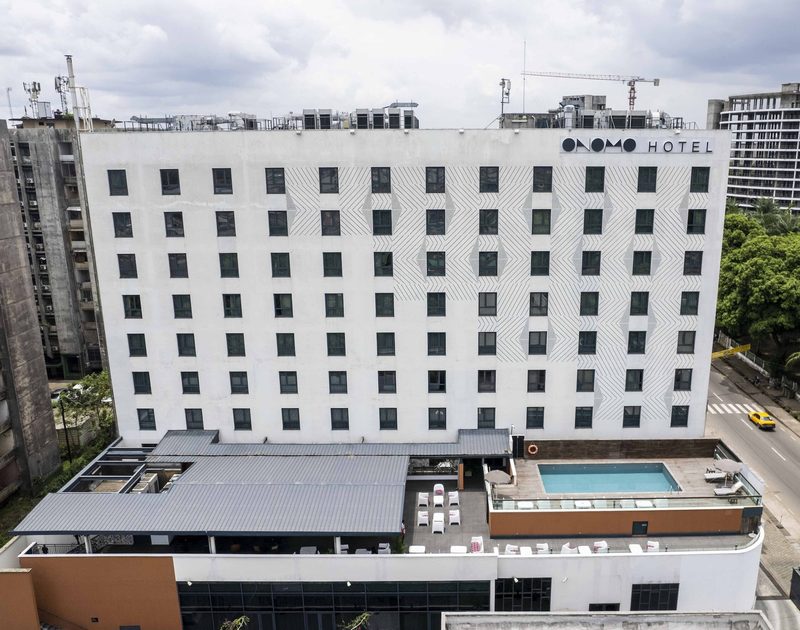
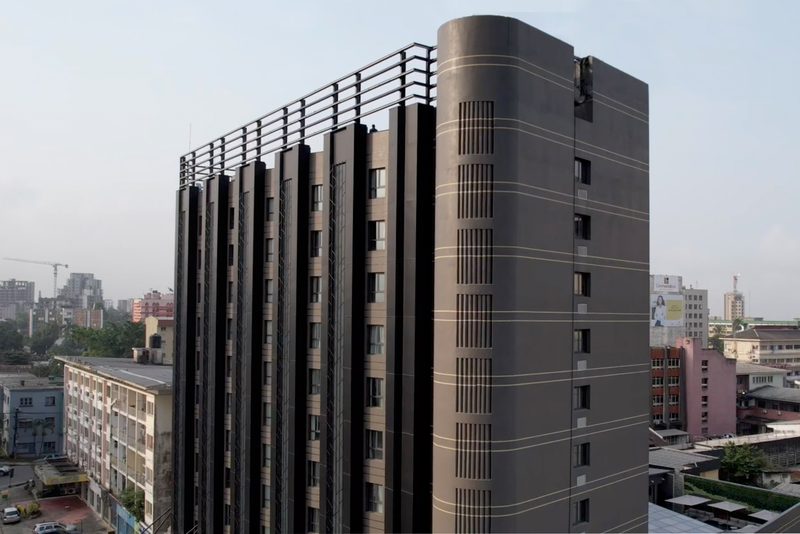
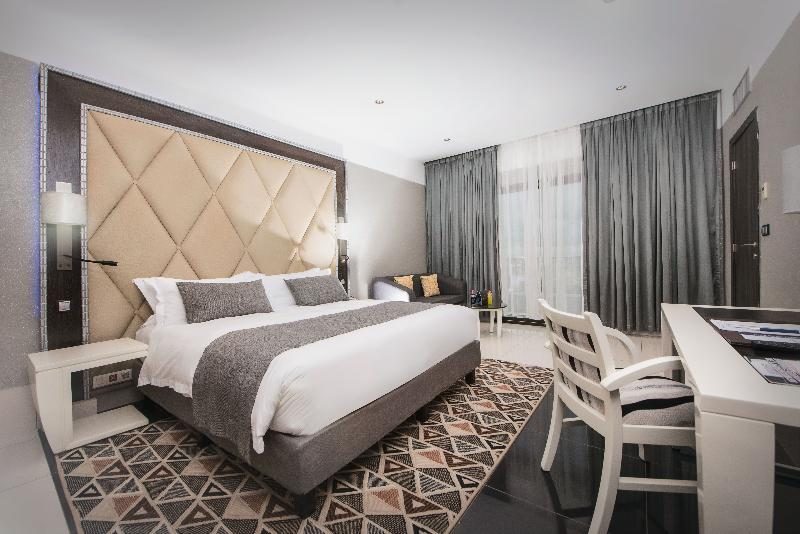
Where to Stay in Cameroon in December
Hand-picked hotels across price tiers for December travellers.
Public Holidays in December
Dates that affect opening hours, transport and crowds
Christmas Day
Observed nationwide as a public holiday.
Christmas Day
Observed nationwide as a public holiday.
Christmas Day
Observed nationwide as a public holiday.
Packing Checklist
Bookmark this page — your progress is saved between visits
Need the full list with shopping links?
Climate-specific gear, brand recommendations, and what to leave at home.
View Cameroon Packing List →Essential Tips
Insider knowledge and common pitfalls to avoid
Insider Knowledge
French is your survival language in most of Cameroon. Even basic greetings change how people receive you. An earnest bonjour and comment ça va open doors. Douala and Yaoundé operate almost entirely in French. Pidgin English works in parts of the Littoral and western regions. Assuming English will carry you is a mistake. It leaves you mute in taxis, markets, and restaurants. Learn to say je voudrais, s'il vous plaît, and combien before you land.
Download MTN Mobile Money and Orange Money. Mobile money has replaced cash for an enormous range of daily transactions. Street vendors, moto-taxi drivers, and small restaurants increasingly prefer it. Set up an account with a local SIM card on arrival at the airport. ATMs exist in Douala and Yaoundé but are unreliable outside those cities. Carrying large amounts of CFA francs invites attention you do not want. Go digital.
Cameroon's food is one of Central Africa's great underrated traditions. December is the month it peaks. Ndolé, the national dish, is a stew of bitterleaf and ground peanuts braised with smoked fish or prawns. The depth of flavor bears no resemblance to anything you have eaten before. Earthy, nutty, with a faint vegetal bitterness that the peanuts round into something almost creamy. Eru, from the western regions, wraps slippery melon-seed leaves around smoked game meat in palm oil. Koki, a steamed bean cake wrapped in banana leaves with a texture halfway between a tamale and a savory pudding, appears at every December celebration. Eat what the family next to you is eating. Point at their plate if you cannot read the menu. This is how you find the food worth remembering.
Negotiate taxi fares BEFORE getting in. Douala and Yaoundé taxis do not use meters. The yellow shared taxis that run fixed routes are cheap but cramped. They pack four adults into a sedan built for three. For private rides, agree on the fare, confirm it once more. Do not be surprised if the driver picks up additional passengers anyway. This is standard, not a scam. If it bothers you, say course privée and expect to pay roughly double the shared rate.
Avoid These Mistakes
Do not underestimate travel times between cities. The 250 km (155 miles) between Douala and Yaoundé takes four to five hours by road despite being Cameroon's best-maintained highway. Secondary routes to Kribi or Foumban move slower still. Potholes, checkpoints, and shared-taxi logistics eat hours that Google Maps cannot predict. Build buffer days into any itinerary that involves more than one city. You will need them.
Do not skip malaria prevention just because Cameroon feels modern. Douala has malls and sushi bars. Mosquitoes ignore skylines. Falciparum malaria, the severe strain, is endemic nationwide below 2,000 m (6,562 ft). Prophylaxis is mandatory. Sleep under a treated net every night.
Check current security conditions before visiting Anglophone regions or the Far North. Old travel forums praise Ring Road drives and Waza National Park safaris. That was 2018. The situation has shifted. Stick to Littoral, Centre, West, and South regions unless you have verified local intelligence. No sight is worth a roadblock run by non-government forces.
Ready to plan your trip to Cameroon?
Now that you've got the research covered, here's where to go next.
Explore More Activities in Cameroon
Didn't see anything interesting yet?
Browse Viator's full catalog of tours, day trips, food experiences, and private guides in Cameroon.
See All Cameroon Tours on Viator