Things to Do in Cameroon in August
August weather, activities, events & insider tips
Low Season · Budget Friendly
August Weather in Cameroon
Long-run averages for August in Douala
79°F (26°C)
High Temp
66°F (19°C)
Low Temp
4.5 inches (114 mm)
Rainfall
88%
Humidity
27
Rainy Days
11
Sunny-Day UV
⚠ Malaria risk peaks during the wet season. August's daily rains create standing water that breeds mosquitoes across all regions including Douala and Yaoundé. Antimalarial medication, DEET based repellent, and sleeping under treated nets are not optional. They are essential.
⚠ Unpaved roads between cities flood and wash out during heavy rains. Laterite roads connecting smaller towns can become impassable for hours or days after sustained downpours, stranding vehicles. Always travel with a driver experienced in wet season conditions. Carry extra water and food for delays.
⚠ Landslide risk increases on the slopes around Mount Cameroon and in the western highlands near Dschang and Bafoussam. Saturated volcanic soil on steep gradients can give way suddenly. Sections of mountain trails may be closed by authorities after heavy rainfall events.
Making the most of August in Cameroon? Browse tours and activities in Cameroon on GetYourGuide.
Is August Right for You?
Weigh the advantages and considerations before booking
Advantages
- + Waterfalls hit peak drama in August. Ekom Nkam and the Lobe Falls at Kribi thunder with wet season volume then. The spectacle is unmatched. You cannot replicate this in dry months. December through February slows those same falls to a trickle. Timing matters.
- + Douala sits at a mild 26°C (79°F) in August. February hits 31°C (88°F). You can walk cities and markets now without that flattening heat. Mornings feel almost temperate by Central African standards. The difference is real.
- + Low season means options open up. Lodges near the Dja Biodiversity Reserve have rooms. Guesthouses along Kribi's coastline welcome walk-ins. Yaoundé's better hotels rarely turn you away. Rates drop well below dry season highs. Tour groups thin out at Méfou National Park. You win on price and space.
- + Forests and highlands explode with life now. Mount Cameroon's volcanic slopes turn electric green. Bird activity spikes above Buéan in montane forests. Primates near Yaoundé stay visible in cooler, overcast conditions. They hide from midday sun in hotter months. Now they stay out. You see more.
Considerations
- − Rain comes almost daily. Douala logs 27 days of measurable rainfall in August. Downpours hit as intense afternoon bursts. Thirty to ninety minutes, then done. Not all day grey. Still, they wreck outdoor plans. Unpaved roads become mud channels. Vehicles strand for hours. Plan around it.
- − Roads between cities crumble in wet months. Douala to Kribi normally takes 3 hours. August stretches that to 5 or more when sections wash out. Yaoundé east toward the Dja Reserve gets treacherous. You need a capable 4x4. You need an experienced driver. Do not risk it otherwise.
- − Security in the Northwest and Southwest regions stays unstable. The Anglophone crisis continues. Bamenda and certain Mount Cameroon approaches remain off limits. Monitor your government's travel advisories. Check before booking anything. Conditions shift.
Short on time in August? See day trips around Cameroon on GetYourGuide.
Best Activities in August
Top things to do during your visit
August arrives wrapped in cool, damp stillness. Nothing like the scorching dry months earlier. Daytime temperatures hover around 26 degrees Celsius, rarely climbing higher. Nights settle to a steady 19 degrees, cool enough that a light layer over your shoulders feels welcome after sundown. Rainfall averages around 114 millimetres for the month, a moderate figure that sits between the drier interlude of July and the deluge that September will bring. Showers tend to arrive in concentrated afternoon bursts rather than all-day grey. Mornings often open with pale, silvery light filtering through the canopy of tropical trees. The smell of wet laterite rises from unpaved roads. The air carries a particular earthiness in this season, a blend of damp red soil and woodsmoke from cooking fires that clings to your clothes long after you have left a village. For travellers asking whether Cameroon is safe and what the country is best known for, the answer develops across an extraordinary span of landscapes and cultures. Cameroon is sometimes called Africa in miniature because it compresses savannah, rainforest, volcanic highlands, and Atlantic coastline into a single nation. August is one of the cooler, more physically comfortable windows for exploring that range on foot. The beaches around Kribi and Limbe, where dark volcanic sand meets warm Gulf of Guinea surf, are less crowded this time of year. Occasional rain squalls sweep across the water and send the fishing pirogues rocking. Cameroon's food culture alone justifies a visit. Ndolé, a stew of bitter leaves simmered with ground peanuts and smoked fish, delivers a deep, savoury complexity that pairs with the soft, slightly sour pull of fermented corn couscous. Street vendors in Yaoundé and Douala grill soya, skewered beef seasoned with a dry rub of ground peanuts and chilli. The charcoal smoke and sizzle follow you through every neighbourhood market. Accommodation options range from modest guesthouses in smaller towns to internationally managed properties in the two main cities. Eating well here costs far less than in most of West and Central Africa. Cameroon rewards the traveller who slows down, lingers over a shared plate, and follows the red-earth footpaths into the green.

Visit the Ebogo site and Méfou Park from Yaoundé
otherA half-day excursion from Yaoundé, the visit to the Ebogo ecological site and Méfou Park places you first on a narrow pirogue gliding through a tangle of gallery forest along the Nyong River. The water is tea-dark. The only sounds are the dip of the paddle and the abrupt shriek of a great blue turaco overhead. At Méfou, a primate sanctuary set inside dense secondary forest, you walk shaded trails past enclosures sheltering gorillas, chimpanzees, and mandrills rescued from the bushmeat trade. You stand close enough to hear the low, resonant grunts the gorillas use when settling after a feeding. The combination of river and forest packs two of Cameroon's signature ecosystems into a single outing without the logistics of a multiday expedition.
It compresses a river journey and a face-to-face encounter with Central African primates into one accessible day trip from the capital.
Insider tip: Ask your guide to launch the pirogue at Ebogo before nine in the morning, when birdlife along the Nyong is most active and the mist still hangs low enough over the water to muffle engine noise from the nearby road.
This month: August rainfall can raise the Nyong River level, making the pirogue ride smoother but occasionally shortening the navigable stretch if tributaries flood the access path.

Yaoundé City Tour
guided_experienceA guided circuit of Yaoundé peels back layers of a city most travellers only pass through on the way to somewhere else. The route typically threads from the Musée National, where carved Bamoun thrones and Bamiléké beaded masks sit in dim, climate-controlled halls that smell faintly of old wood, up to the hilltop Basilique Marie Reine des Apôtres at Mvolyé, whose stained glass throws amber and cobalt light across polished concrete floors. Between stops you move through neighbourhoods like Mokolo, where Cameroon's largest open-air market is a wall of sound. Vendors call prices for smoked fish. The metallic clatter of aluminium pots stacked head-high fills the air. The sweet, slightly fermented scent of ripe plantains heaped on wooden tables follows you through the aisles. Yaoundé in August is comfortably cool. Walking the city's steep hills feels far less punishing than it would under the February sun.
It reframes Cameroon's quieter, hillier capital as a city with its own layered identity, distinct from the port energy of Douala.
Insider tip: The Mokolo market section dedicated to traditional medicine, tucked behind the main produce aisles, is where herbalists display dried barks, bundled roots, and ground pigments in hand-labelled sachets. Most are happy to explain uses if you approach with patience and a greeting in French.

The Dja Biodiversity Reserve Safari 7Days/ 6 Nights
otherThe Dja Biodiversity Reserve, a UNESCO World Heritage site wrapped in one of the largest and most intact tracts of rainforest in Central Africa, demands a week-long commitment and rewards it completely. Over six nights you move by vehicle and then on foot through a canopy so dense that the forest floor exists in perpetual green twilight. The air is thick with the smell of decomposing leaves and the high, repetitive call of the African grey parrot somewhere far above. Cameroon's population of western lowland gorillas lives here alongside forest elephants whose presence you detect first by the deep, resonant crack of a branch breaking under immense weight, then by fresh dung piles steaming faintly on the trail. River crossings by dugout canoe punctuate the walking days. The Dja River itself runs wide and slow, its surface broken by rocks that create small rapids you can hear well before you see them. Camp meals cooked over open flame in forest clearings, often built around freshwater fish and cassava, carry a smokiness that becomes the taste memory of the entire trip.
It is one of the few places on Earth where western lowland gorillas, forest elephants, and an intact equatorial canopy coexist in a single protected landscape accessible on foot.
Insider tip: Pack waterproof bags rated for submersion, not just rain resistance, because river crossings and sudden downpours during the wet months can soak conventional dry bags through. Replacing electronics or documents in the Dja region is effectively impossible.
This month: August sits between July's lighter rains and September's heaviest downpours, so forest trails are wet but generally passable. Expect muddy conditions underfoot and leeches on lower-elevation paths near river margins.
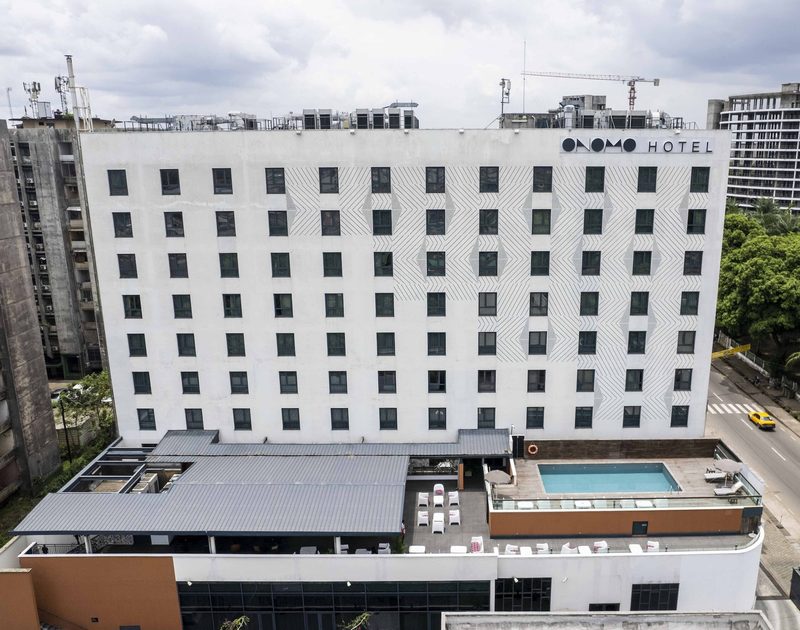
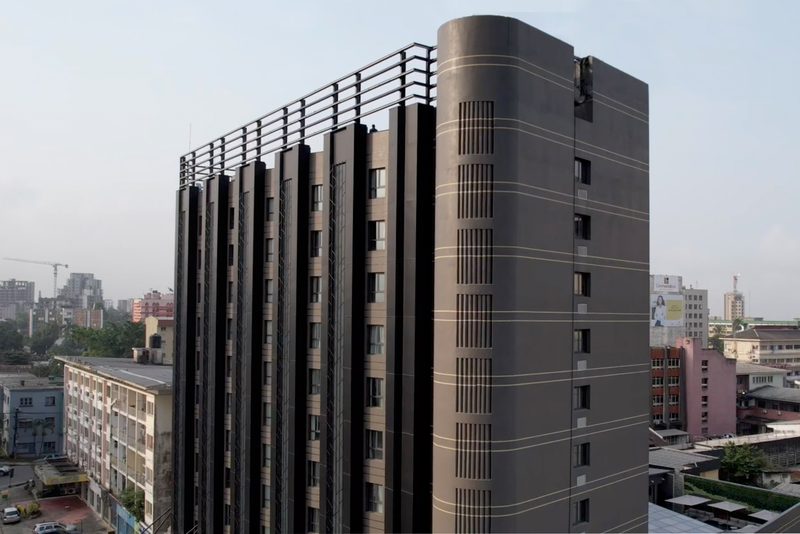
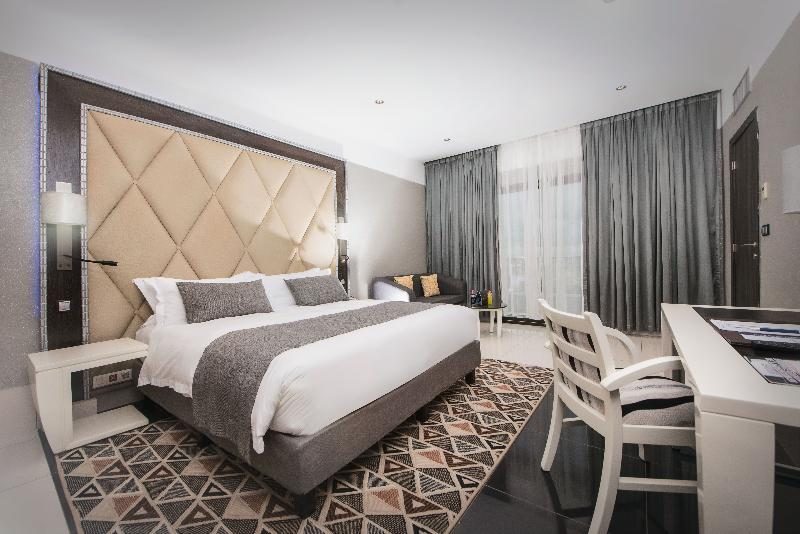
Where to Stay in Cameroon in August
Hand-picked hotels across price tiers for August travellers.
Public Holidays in August
Dates that affect opening hours, transport and crowds
Assumption Day
Observed nationwide as a public holiday.
Assumption Day
Observed nationwide as a public holiday.
Packing Checklist
Bookmark this page — your progress is saved between visits
Need the full list with shopping links?
Climate-specific gear, brand recommendations, and what to leave at home.
View Cameroon Packing List →Essential Tips
Insider knowledge and common pitfalls to avoid
Insider Knowledge
The rain in Douala and Yaoundé follows a predictable rhythm in August. Mornings are usually overcast but dry until around noon. The sky darkens fast. Hard rain dumps for an hour or two. Clearing happens by late afternoon. Schedule outdoor activities for the morning window. Schedule market visits then too. Use afternoon rain as enforced rest time. Find a covered chop house. Order koki. This steamed bean pudding wrapped in banana leaves is dense and faintly peppery. It is the ultimate wet-season comfort food.
Cameroon is bilingual. French dominates eight of ten regions. English dominates the Northwest and Southwest. In practice, Douala, Yaoundé, and Kribi operate almost entirely in French. Even basic restaurant-level French transforms your experience. Order food. Ask directions. Negotiate prices. The phrase 'C'est combien' becomes your most-used sentence. Pidgin English works in Douala's markets. It works along the coast. Locals call this Camfranglais. It does not work reliably inland.
Road travel in August takes longer than you think. A three hour Google Maps estimate can stretch to five or six when laterite roads dissolve into mud. Build buffer days into any itinerary involving city hops. Consider domestic flights between Douala and Yaoundé. The route takes about 45 minutes in the air versus 3-4 hours by road in good conditions, far longer in bad. The train between the two cities is another option. Slower. Reliable. An experience in itself.
Cameroon's food ranks among Africa's most underrated. August happens to be prime eating season. The wet season floods markets with fresh greens, plantains, and river prawns. Order eru at any serious chop house. This thick, dark green stew combines shredded eru leaves and waterleaf with palm oil, smoked fish, and cow skin. The texture is slippery, slightly mucilaginous. Foreigners either love it immediately or need a second attempt. The smell hits first. Earthy, smoky, faintly fermented. It fills the restaurant before the plate arrives.
Avoid These Mistakes
Never plan Northwest or Southwest region visits without checking current security conditions. The Anglophone crisis has rendered parts of these areas dangerous since 2017. The situation stays fluid in 2027. Bamenda appears in older guidebooks as a highland destination. Skip it. Casual tourism there is not safe. Stick to Douala, Yaoundé, Kribi, the Littoral region, and the western highlands around Bafoussam and Dschang. These remain stable.
Do not pack only for tropical heat. Altitude matters. Travelers heading to Mount Cameroon or the cooler Dschang highlands at 1,400 m (4,593 ft) regularly shiver in shorts and sandals. Douala stays warm and muggy at sea level. Temperatures drop roughly 6°C (11°F) per 1,000 m (3,281 ft) of elevation gain. The wind chill above 3,000 m (9,843 ft) on Mount Cameroon bites hard. Pack layers.
Never assume ATMs and card payments work outside major cities. Cameroon's economy runs on cash, specifically Central African CFA francs. Beyond Douala and Yaoundé, electronic payment infrastructure ranges from sparse to nonexistent. Withdraw enough cash for your entire trip outside the two capitals before departure. Distribute it across luggage and person. The franc zone eliminates exchange rate drama for visitors from other CFA countries. Travelers from outside the zone should exchange or withdraw in Douala on arrival.
Ready to plan your trip to Cameroon?
Now that you've got the research covered, here's where to go next.
Explore More Activities in Cameroon
Didn't see anything interesting yet?
Browse Viator's full catalog of tours, day trips, food experiences, and private guides in Cameroon.
See All Cameroon Tours on Viator