
Things to Do in Cameroon in October
October weather, activities, events & insider tips
Low Season · Budget Friendly
October Weather in Cameroon
Long-run averages for October in Douala
82°F (27°C)
High Temp
66°F (19°C)
Low Temp
11.6 inches (295 mm)
Rainfall
90%
Humidity
12
Sunny-Day UV
⚠ October is the peak of Cameroon's southern wet season. Douala averages 295 mm (11.6 inches) of rainfall, and sustained multi-hour downpours can flood low-lying urban streets and rural roads without warning. Carry waterproof protection for your belongings at all times and avoid low-lying areas during heavy rain. Stay alert. Move fast.
⚠ Malaria transmission peaks in October across southern and central Cameroon due to standing water from persistent rainfall. Anti-malarial prophylaxis, DEET repellent, and treated bed nets are essential, not optional. Consult a travel medicine specialist before departure. Do not skip this. Get the pills.
⚠ Unpaved roads between cities, including sections of routes to Kribi, Foumban, and the Dja Reserve corridor, can become impassable after sustained rain. Flash flooding at river crossings is a real risk. Travel with a 4x4 when leaving paved highways, carry extra water and provisions, and confirm road conditions locally before departing. Ask first. Drive smart.
⚠ Humidity consistently at or above 90% combined with daytime highs near 27°C (82°F) creates conditions where heat exhaustion builds gradually rather than hitting all at once. Drink water aggressively, rest in shade during midday, and do not mistake the cloud cover for cool weather, the moisture load does the work that direct sun does in drier climates. Pace yourself. Hydrate constantly.
Making the most of October in Cameroon? Browse tours and activities in Cameroon on GetYourGuide.
Is October Right for You?
Weigh the advantages and considerations before booking
Advantages
- + Waterfalls hit their annual peak. Ekom Nkam's twin cascades, dropping roughly 80 m (262 ft) through equatorial forest, swell to a force that shakes the viewing platform. Lobe Falls near Kribi roars loud enough to drown out the Atlantic surf. It is one of the few waterfalls on earth that pours directly onto an ocean beach. The spray carries a mineral, almost metallic taste. The surrounding forests steam with the wet-earth sweetness of a tropical ecosystem running at full saturation. This is the month if you came for water.
- + Tourist numbers hit their annual floor. Méfou National Park outside Yaoundé, the trails around Mount Cameroon's lower slopes, Kribi's dark-sand coastline: in October you will likely be the only foreigner at most sites outside central Douala. Guides have time to linger, explain, and adapt itineraries. The country feels less like a destination and more like a place where people live. For a certain kind of traveler, that is the whole point.
- + Accommodation rates across Douala, Yaoundé, and Kribi currently sit near their annual lows. Guesthouses and mid-range hotels that fill up during the dry months of December through February have genuine vacancies, and many are willing to negotiate. The savings compound when you factor in fewer queues, less competition for transport, and operators eager to fill half-empty excursion rosters. October rewards the flexible traveler.
- + The landscape reaches its most dramatic colour. Every hillside in the western highlands glows an almost hallucinatory green. The red laterite roads cut sharp lines against it. The sky cycles between heavy grey banks and sudden clearings that throw golden equatorial light across everything. Photographers who time their shots around mid-morning breaks in the rain get images no dry-season visitor can replicate. Worth the gamble.
Considerations
- − This is Cameroon's wettest month across the southern and coastal zones. Douala averages 295 mm (11.6 inches) of rainfall in October, and it does not arrive in polite afternoon showers. Expect sustained, heavy downpours that can last for hours, flooding low-lying streets in Douala's Akwa and Bonabéri neighbourhoods and turning any unpaved surface into thick red mud. You will get wet. Your shoes will not recover.
- − Overland travel between cities becomes unpredictable. The road from Douala to Kribi, stretches of the route toward Bafoussam, and virtually any unpaved road in the south can strand vehicles for hours. A drive that should take four hours may take seven or eight, and some rural routes close entirely when bridges flood. Build slack into every itinerary. Do not schedule tight connections.
- − Mosquito populations peak with the standing water, and malaria transmission across the southern half of Cameroon reaches its annual high. Anti-malarial prophylaxis is not a suggestion in October. It is a baseline requirement, along with DEET-based repellent applied at dusk, treated mosquito nets if your accommodation lacks sealed windows, and long sleeves after dark even when the humidity makes them miserable. Non-negotiable.
Short on time in October? See day trips around Cameroon on GetYourGuide.
Best Activities in October
Top things to do during your visit
October hits Cameroon at the wet season's peak. This is the year's heaviest rainfall. Temperatures sit around 27 degrees Celsius by day, dropping to 19 degrees at night. Warm air. Never scorching. The rain arrives in concentrated afternoon downpours. It drums hard against corrugated rooftops. Red laterite streams course along unpaved roads. Then the skies clear, washed clean and luminous. Mornings start dry. Mist clings to the hillsides around Yaoundé. The south's forests drip with moisture that catches early light. The smell of damp earth and rotting leaf litter saturates the air beneath the canopy. The forest floor erupts with fungi and new growth. Hiking trails become slippery, living corridors. Foreign visitors don't arrive in large numbers this month. Those who come find Cameroon's parks, reserves, and cities quieter. Locals move indoors during the heaviest rains. Street food vendors set up under tarps and awnings. The scent of grilled plantain and pepper soup fills sheltered spaces. Cameroon's food culture is most immediate now: ndolé simmered with bitterleaf and groundnuts, sizzling brochettes of goat meat seasoned with suya spice, fufu corn pounded fresh in wooden mortars. The rhythmic thudding echoes through residential neighborhoods. Rivers and waterfalls run at full volume. The south's forests are intensely green, alive with birdcall and the whir of insects.

Visit the Ebogo site and Méfou Park from Yaoundé
otherThe Ebogo site and Méfou Park sit within easy reach of Yaoundé. Visiting them together makes for a day between two very different expressions of Cameroon's natural world. Ebogo is an ecotourism site along the Nyong River. Visitors paddle dugout canoes through channels overhung with forest. The water is dark and still beneath a canopy so dense the air feels ten degrees cooler. Méfou Park, a primate sanctuary in secondary forest, houses chimpanzees, gorillas, mandrills, and other species rescued from the bushmeat trade. Walking its shaded trails, you hear their calls long before you see them watching from behind the foliage.
A single day puts you on the slow, tea-colored waters of one of Central Africa's great rivers and face to face with rescued primates in a sanctuary that doubles as a conservation success story.
Insider tip: Start at Ebogo early when the river is glassy and birdlife peaks. Drive to Méfou for afternoon feeding times. The primates are most active and visible near the enclosure edges.
This month: October's heavy rains swell the Nyong River. The canoe sections run fuller and faster than in dry months. Expect muddy trails at Méfou. Bring waterproof footwear.

Yaoundé City Tour
guided_experienceA guided tour of Yaoundé reveals a city built across seven hills. The scent of charcoal smoke and frying beignets drifts up from roadside stalls. Red soil shows through wherever construction has stripped the vegetation. The neighborhoods each carry distinct character. The administrative quarter around the Palais de l'Unité sits behind manicured hedges and broad avenues. Mokolo market sprawls across blocks in a sensory onslaught: dried fish, bolts of wax-print fabric, the sharp tang of fermented cassava. Cameroon's capital doesn't perform for tourists. That is precisely why a guided tour matters. A knowledgeable local guide contextualizes the independence monuments, the Musée National, and the social geography of a city most visitors only pass through.
Yaoundé is Cameroon's political and cultural nerve center. A guided tour decodes a city that rewards local knowledge far more than wandering.
Insider tip: Ask your guide to include the Marché Central for a plate of koki, a steamed bean cake wrapped in banana leaves. It is the city's classic street food. Eat it standing at a market stall with a cold drink.

The Dja Biodiversity Reserve Safari 7Days/ 6 Nights
otherThe Dja Biodiversity Reserve is a UNESCO World Heritage Site. It is one of the largest and best-protected rainforests in Africa. A vast arc of primary forest enclosed almost entirely by the Dja River, whose brown waters loop around the reserve like a natural moat. A seven-day safari here isn't casual. You travel by pirogue and on foot through forest so thick the canopy blocks most direct sunlight. The air is heavy with the smell of decomposing vegetation, alive with the metallic whine of cicadas. Western lowland gorillas, forest elephants, and over a hundred species of fish inhabit this ecosystem. The Baka people live along the reserve's edges. They serve as guides whose tracking knowledge is irreplaceable. Cameroon contains some of the most biodiverse territory on the African continent. The Dja Reserve is its densest concentration of that life.
This is one of the last places on Earth where you can walk through unbroken primary rainforest alongside indigenous trackers who know every animal call and medicinal plant by name.
Insider tip: Pack all gear in dry bags, not just rain covers. River crossings and sudden downpours will soak conventional luggage. Bring high-ankle boots with aggressive tread. The forest floor in the wet season is a continuous surface of mud and roots.
This month: October's peak rainfall makes river levels high. This can speed pirogue travel but also makes some forest trails impassable. Your operator will adjust the route based on current conditions. Flexibility with the itinerary is essential.
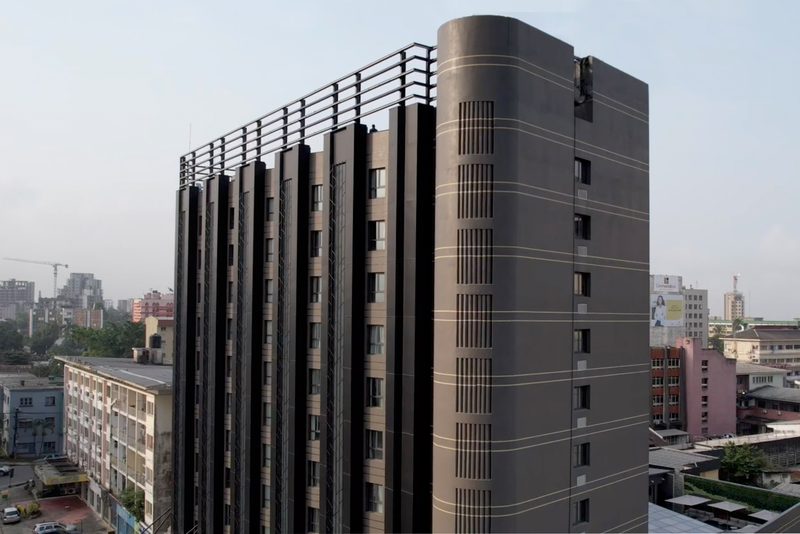
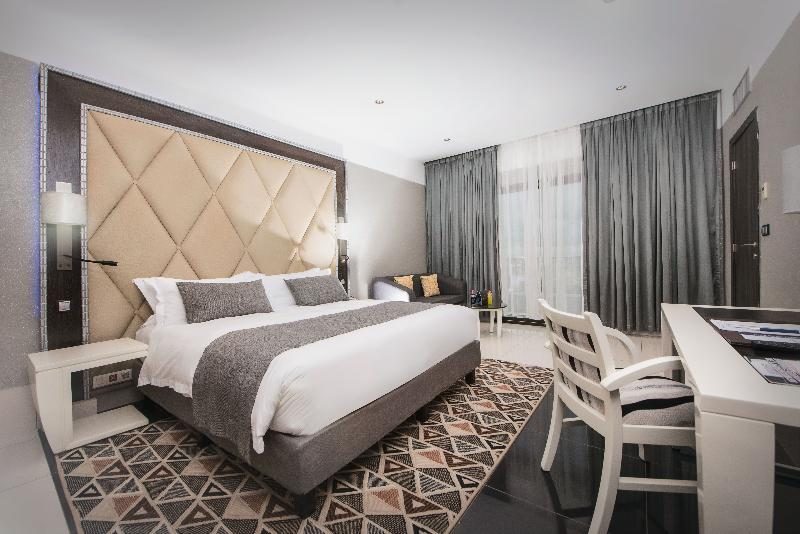
Where to Stay in Cameroon in October
Hand-picked hotels across price tiers for October travellers.
Packing Checklist
Bookmark this page — your progress is saved between visits
Need the full list with shopping links?
Climate-specific gear, brand recommendations, and what to leave at home.
View Cameroon Packing List →Essential Tips
Insider knowledge and common pitfalls to avoid
Insider Knowledge
French is the operational language in every part of Cameroon you are likely to visit as a tourist: Douala, Yaoundé, Kribi, the western highlands. Even basic conversational French transforms your interactions, from negotiating transport to ordering food beyond the hotel restaurant menu. English is widely spoken in the Northwest and Southwest regions. But those areas carry significant security risks that currently make them unsuitable for tourism. Pidgin English, called Camfranglais when mixed with French, is understood in Douala's markets and can break the ice. But do not rely on English alone outside international hotels. Learn some French.
The safest and most rewarding travel corridor in Cameroon right now runs Douala to Yaoundé to Kribi, with an optional extension west toward Foumban and Bafoussam in the West Region. The Northwest and Southwest regions remain affected by an ongoing separatist conflict, and the Far North near the Nigerian and Chadian borders has persistent security concerns. Check your government's travel advisory before departure. But as a baseline, plan your itinerary within the centre, littoral, south, and west regions. Most travelers who stick to this corridor report feeling safe with normal urban precautions. Stay in the safe zone.
To eat the way locals eat in Cameroon, look for the market-adjacent stalls, not the hotel restaurant. Ndolé, the national dish of bitter leaf simmered with ground peanuts, crayfish, and either beef or stockfish, is a litmus test: the hotel version is typically bland and overcooked, while the version at a market stall in Douala's Deido neighbourhood or Yaoundé's Mokolo will have a depth of flavour, a faintly bitter back note balanced by the richness of the peanut base, that no hotel kitchen replicates. Poulet DG, chicken braised with ripe plantains, green peppers, and tomatoes, is the celebratory dish, and asking for it signals that you know what you are doing. October is also fresh corn season: roasted cobs sold at roadside stalls across the country, charred and smoky, sometimes rubbed with lime. Skip hotel food.
Cameroon runs on cash. CFA francs, specifically the Central African CFA, are the currency, and while ATMs exist in Douala and Yaoundé, they are unreliable. Machines run out of bills, networks drop, and cards get swallowed. Draw cash in larger amounts when a machine works, and carry it distributed across your person and bags. Outside the two main cities, card payment is essentially nonexistent. Mobile money via MTN or Orange is widely used by locals and can work for some services. But setting it up as a foreigner requires a local SIM card and patience. Carry cash.
Avoid These Mistakes
Arriving without a yellow fever vaccination certificate. Cameroon requires proof of yellow fever vaccination for entry, and immigration officers at Douala and Yaoundé airports check for the yellow WHO card. Without it, you face denial of entry or an on-the-spot vaccination under conditions you would prefer to avoid. Get the shot at least ten days before departure. It takes that long to become officially valid. Get vaccinated early.
Underestimating travel times between cities in October. The distance between Douala and Yaoundé is roughly 250 km (155 miles) on paper, but in October rain the drive can stretch to five or six hours with detours, slow-moving trucks on the two-lane highway, and police checkpoints. The Douala-to-Kribi route is shorter but includes unpaved stretches that flood. Build a full buffer day into any itinerary that involves overland connections, and never assume the GPS estimate reflects October road conditions. Add time.
Planning a trip to the Southwest coast, Limbe, Buea, the base of Mount Cameroon, without researching the current security situation. These areas fall within the anglophone regions affected by conflict, and while the natural attractions are extraordinary, travel there currently carries risks that many government travel advisories explicitly warn against. The areas around Douala, Yaoundé, Kribi, and the West Region offer comparable natural and cultural depth without the same security complications.
Ready to plan your trip to Cameroon?
Now that you've got the research covered, here's where to go next.
Explore More Activities in Cameroon
Didn't see anything interesting yet?
Browse Viator's full catalog of tours, day trips, food experiences, and private guides in Cameroon.
See All Cameroon Tours on Viator